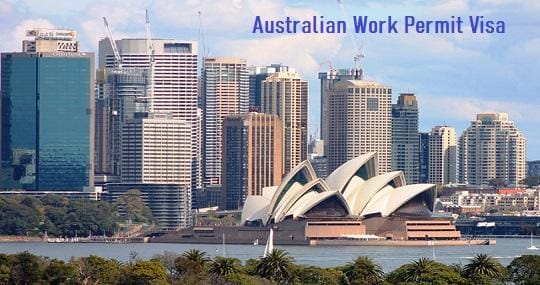
Australia is one of the most popular destinations for foreign workers seeking better career opportunities, competitive wages, and a high standard of living. Every year, skilled professionals and eligible overseas workers explore opportunities to work in Australia through employer-sponsored and skilled migration visa programs.
If you are planning to apply for an Australia Work Permit Visa, understanding the available visa options, eligibility criteria, required documents, application process, and potential costs is essential. The right visa pathway depends on your qualifications, work experience, occupation, English language ability, and whether an Australian employer is willing to sponsor you.
This guide explains how to apply for an Australian work visa, including important information for applicants from Bangladesh.
What Is an Australia Work Permit Visa?
An Australia Work Permit Visa is a general term used for visas that allow eligible foreign nationals to work legally in Australia. Australia does not have one universal work permit for every overseas worker. Instead, the Australian Government offers different visa subclasses for skilled workers, employer-sponsored employees, and other eligible applicants.
Some visas allow temporary employment, while others may provide a pathway to permanent residency. Each visa has specific conditions relating to employment, sponsorship, qualifications, and length of stay.
Before applying, applicants should identify the visa category that best matches their circumstances.
Types of Australia Work Visas
Several Australian visa programs may allow foreign nationals to live and work in Australia. The most suitable option depends on the applicant’s occupation and eligibility.
1. Skills in Demand Visa (Subclass 482)
The Skills in Demand visa is an important option for overseas workers who have an Australian employer willing to sponsor them for an eligible position.
Applicants generally need a sponsoring employer, relevant skills and experience, and the required English language ability. Additional requirements depend on the stream and occupation.
This visa can allow eligible workers to stay in Australia temporarily, generally for up to four years, subject to the applicable visa conditions. Certain eligible applicants may later qualify for an employer-sponsored permanent visa.
2. Employer Nomination Scheme Visa (Subclass 186)
The Employer Nomination Scheme visa is a permanent residence option for eligible skilled workers nominated by an Australian employer.
Depending on the pathway, applicants may need relevant qualifications, work experience, English proficiency, and a suitable skills assessment. Age limits and exemptions may also apply.
This visa is worth considering for skilled professionals who meet the requirements for employer-sponsored permanent migration.
3. Skilled Independent Visa (Subclass 189)
The Skilled Independent visa is a points-tested permanent visa for eligible skilled workers who do not require employer sponsorship.
Applicants generally need an eligible occupation, a suitable skills assessment, and an invitation to apply. Their eligibility may depend on age, English proficiency, qualifications, work experience, and other points-tested factors.
Submitting an Expression of Interest through SkillSelect does not guarantee an invitation or visa approval.
4. Skilled Nominated Visa (Subclass 190)
The Skilled Nominated visa is a permanent visa for eligible skilled workers nominated by an Australian state or territory.
Applicants must meet the relevant visa criteria and the nomination requirements of the state or territory. An eligible occupation, skills assessment, English proficiency, and an invitation are generally important parts of this pathway.
State nomination requirements can change, so applicants should review the latest rules before preparing an application.
5. Skilled Work Regional Visa (Subclass 491)
The Skilled Work Regional visa is a provisional visa for eligible skilled workers who intend to live and work in designated regional areas of Australia.
Applicants generally need nomination by a state or territory government or sponsorship by an eligible family member, depending on the pathway. They must also satisfy the applicable points-tested and occupation requirements.
Eligible holders may later qualify for permanent residency through the relevant regional migration pathway if they meet all requirements.
6. Skilled Employer Sponsored Regional Visa (Subclass 494)
The Subclass 494 visa allows eligible skilled workers to work in designated regional areas when nominated by an approved employer.
Applicants generally need a suitable job offer, relevant qualifications or experience, and compliance with occupation-specific requirements. This visa may provide a pathway to permanent residence for eligible applicants.
For official information about Australian work visas, visit the Department of Home Affairs website.
Australia Work Visa Requirements
The requirements for an Australian work visa vary by subclass. However, many applicants may need to meet the following conditions:
- Hold a valid passport.
- Meet the age requirements for the selected visa, where applicable.
- Have relevant qualifications, skills, or work experience.
- Meet the English language requirements, unless an exemption applies.
- Obtain an eligible job offer and employer sponsorship when required.
- Have a suitable skills assessment if the visa pathway requires one.
- Meet health and character requirements.
- Provide genuine and accurate information in the application.
- Submit the required supporting documents and pay the applicable visa fee.
Applicants should not assume that every Australian work visa requires employer sponsorship. Some skilled migration pathways operate through a points-tested invitation system instead.
Documents Required for an Australia Work Permit Visa
Preparing the correct documents can help applicants avoid unnecessary delays. The exact checklist depends on the visa subclass and individual circumstances.
Commonly required documents include:
- A valid passport.
- Recent passport-size photographs, if requested.
- Educational certificates and academic transcripts.
- Employment certificates and work experience letters.
- An updated CV or professional resume.
- English language test results, where required.
- Skills assessment documents, if applicable.
- An employment contract or job offer, where relevant.
- Employer nomination or sponsorship information, where required.
- Police clearance certificates, when requested or required.
- Medical examination results, if applicable.
- Evidence of professional registration or licensing, if required.
- Certified translations of documents that are not in English.
Bangladeshi applicants should ensure that their names, dates of birth, passport information, educational records, and employment history are consistent across their documents.
How to Apply for an Australia Work Permit Visa from Bangladesh
Applicants from Bangladesh can apply for eligible Australian visas online through the official Australian immigration system. The process differs according to the visa category.
Step 1: Choose the Right Visa Category
First, identify whether you qualify for an employer-sponsored visa, a points-tested skilled visa, or another work-authorised visa.
Review your occupation, qualifications, professional experience, age, and English language ability before deciding which pathway to pursue.
Step 2: Find an Eligible Job or Migration Pathway
If you are applying for an employer-sponsored visa, look for genuine vacancies with Australian employers that are willing and eligible to sponsor overseas workers.
You can research opportunities through legitimate recruitment websites, company career pages, and professional networks.
For a points-tested visa, check the relevant occupation requirements, arrange a skills assessment if needed, and determine whether you can submit an Expression of Interest.
Step 3: Prepare Your Documents
Collect your passport, academic certificates, work experience records, CV, English test results, and other documents required for your selected visa.
Check that your qualifications and professional experience match the nominated occupation.
Step 4: Complete the Required Sponsorship or Nomination Process
For employer-sponsored visas, the employer generally needs to complete the applicable sponsorship and nomination steps before the worker can proceed with the relevant visa application.
For points-tested visas such as Subclass 189, 190, and 491, applicants generally use SkillSelect to submit an Expression of Interest and must receive an invitation before applying.
Step 5: Submit Your Visa Application Online
Create or access your ImmiAccount through the official Department of Home Affairs website. Complete the appropriate application form, upload the required supporting documents, and pay the applicable fee.
Review every detail carefully before submitting your application.
Step 6: Complete Health and Character Checks
Depending on your circumstances, you may be asked to undergo a medical examination, provide police certificates, or submit additional information.
Follow the official instructions and meet the deadlines provided by the Department of Home Affairs.
Step 7: Wait for the Visa Decision
You can monitor your application through ImmiAccount and respond to any requests for additional information.
If the visa is granted, carefully read your visa grant notice to understand your work rights, permitted employment, travel conditions, and length of stay.
Australia Work Visa Processing Time
The processing time for an Australian work visa depends on the visa subclass, application volume, completeness of the documents, health and character checks, and individual circumstances.
Employer-sponsored visas and points-tested skilled visas follow different assessment processes. Some applications may be processed more quickly than others.
There is no single processing time that applies to every Australia Work Permit Visa application.
Before applying, check the latest processing-time information published by the Australian Department of Home Affairs. Make sure your documents are complete and respond promptly to any official requests.
Australia Work Permit Visa Cost
The total cost of obtaining an Australian work visa varies depending on the visa subclass and the applicant’s circumstances.
Potential expenses may include:
- Visa application charges.
- English language testing fees.
- Skills assessment fees.
- Medical examination costs.
- Police clearance fees.
- Document translation and certification charges.
- Travel expenses.
- Professional migration advice, if required.
Employer-sponsored pathways may also involve costs payable by the sponsoring employer under Australian law. Applicants should understand which expenses they are legally responsible for paying.
Visa application charges and other fees can change. Check the official fee information before submitting an application rather than relying on an outdated online estimate.
Jobs in Australia for Foreign Workers
Australia has employment opportunities across many industries. However, the availability of vacancies and visa sponsorship depends on employer demand, location, occupation, and current immigration rules.
Some sectors worth researching include:
Healthcare and Aged Care
Registered nurses, eligible healthcare professionals, and certain other qualified workers may find opportunities in healthcare and aged-care services. Registration, qualifications, experience, and occupation-specific visa rules can apply.
Construction and Skilled Trades
Electricians, plumbers, carpenters, construction professionals, and other skilled tradespeople may find relevant opportunities where their occupations and qualifications meet Australian requirements.
Some trades require licensing or formal skills assessment.
Information Technology
Software developers, cybersecurity specialists, systems analysts, and other technology professionals may explore opportunities with Australian employers seeking specialised skills.
Engineering
Civil, mechanical, electrical, and other engineers may find positions in infrastructure, manufacturing, energy, and related industries, depending on qualifications and employer demand.
Agriculture and Food Processing
Agricultural businesses and food-processing employers may recruit workers for certain roles. However, not every farm, packing, harvesting, or factory job qualifies for an Australian skilled or employer-sponsored visa.
Applicants must verify that the specific position and visa pathway are eligible.
Hospitality and Other Services
Hotels, restaurants, and service businesses advertise a variety of jobs. Nevertheless, an advertised vacancy does not automatically qualify for employer sponsorship.
Always confirm the occupation requirements and the employer’s willingness and eligibility to sponsor an overseas worker.
Australia Work Visa Salary Expectations
Salary in Australia depends on the occupation, location, experience, qualifications, employer, and employment conditions.
Highly skilled professionals and experienced tradespeople may earn different salaries from entry-level employees. Shift work, overtime, penalties, and allowances may also affect total earnings.
For employer-sponsored visas, the nominated salary must satisfy the applicable salary and employment rules. Depending on the visa stream, these may include relevant income thresholds and market salary requirements.
Applicants should compare the advertised salary with the responsibilities of the position, applicable workplace standards, and the cost of living in the intended location.
Do not rely on social media claims promising unusually high salaries without a verified job offer and clear employment terms.
Can Unskilled Workers Get an Australia Work Visa?
Many people search for an Australia work visa without IELTS, an unskilled worker visa, or an Australian job visa without experience.
The important point is that Australia does not provide a universal work visa for every unskilled foreign worker. Eligibility depends on the occupation, the visa program, and the applicant’s circumstances.
Some temporary labour programs are restricted to nationals of eligible countries or participants in specific arrangements. A job offer alone does not guarantee that a person can obtain a visa.
Bangladeshi applicants interested in entry-level jobs should verify the relevant visa rules carefully before paying a recruitment agency or accepting an employment offer.
Australia Work Permit Visa Without IELTS
Some applicants may qualify for particular visa pathways without taking IELTS, depending on the applicable English language rules, exemptions, and accepted evidence.
However, many Australian work visa categories have English language requirements. Applicants may need to provide results from an accepted English language test or meet another permitted method of demonstrating English proficiency.
The requirements vary by visa subclass and stream. Therefore, do not assume that every Australian work visa is available without IELTS.
Check the current requirements for your intended visa before booking a test or submitting an application.
Benefits of Working in Australia
Working in Australia may offer several advantages to eligible overseas workers, including:
- Access to a diverse job market.
- Opportunities to develop professional skills.
- Employment protections under Australian workplace laws.
- Potentially competitive salaries in eligible occupations.
- Opportunities to gain international work experience.
- Possible pathways to permanent residency for eligible visa holders.
- Access to a multicultural working environment.
These benefits depend on the job, visa conditions, personal circumstances, and applicable Australian laws. Permanent residency is not guaranteed by obtaining a temporary work visa.
Important Tips to Avoid Australia Work Visa Scams
Visa fraud and misleading recruitment offers can cause financial loss and jeopardise future immigration applications.
Follow these precautions before accepting a job or paying an agent:
- Verify the employer and the advertised vacancy independently.
- Check whether the employer can sponsor workers under the relevant visa program.
- Never rely on a job offer alone as proof that a visa will be granted.
- Do not submit false employment certificates or educational documents.
- Be cautious of guaranteed visa approvals or promises of immediate permanent residency.
- Use the official ImmiAccount portal to lodge and monitor your application.
- If you use a migration agent, check whether they are authorised to provide Australian immigration assistance.
- Keep copies of your application, payment receipts, employment contract, and official correspondence.
The Australian Government’s Department of Home Affairs is the primary source for visa rules, application procedures, and official updates.
Frequently Asked Questions About Australia Work Permit Visa
1. Can I apply for an Australia Work Permit Visa from Bangladesh?
Yes. Bangladeshi citizens can apply for Australian visas from Bangladesh if they meet the requirements of the relevant visa category. Applications can be lodged and tracked online through ImmiAccount.
2. Is an Australian job offer mandatory?
Not for every visa. Employer-sponsored visas generally require an eligible employer nomination, while points-tested skilled visas follow a different process involving eligibility requirements and invitations.
3. How long can I stay in Australia on a work visa?
The permitted stay depends on the visa subclass. Some visas allow temporary residence, while others grant permanent residence. Always check the conditions of your specific visa.
4. Can an Australian work visa lead to permanent residency?
Some temporary employer-sponsored and regional visa pathways may provide a route to permanent residency for eligible applicants. However, applicants must meet the requirements of the relevant permanent visa.
5. Can I bring my family to Australia?
Some visa subclasses allow eligible family members to be included in the application or join the primary applicant, subject to specific conditions. Check the rules for your selected visa.
6. Can I work in Australia on a visitor visa?
A visitor visa does not permit ordinary employment in Australia. You must hold a visa that legally authorises the work you intend to perform.
7. Where can I apply for an Australian work visa?
Use the official Australian Department of Home Affairs website and its ImmiAccount portal. Avoid unofficial websites that claim to be government visa application portals.
Official Websites for Australia Work Visa Applications
For accurate and updated information, use these official resources:
- Department of Home Affairs: https://immi.homeaffairs.gov.au/
- ImmiAccount: https://online.immi.gov.au/
- Skilled Occupation List: https://immi.homeaffairs.gov.au/visas/working-in-australia/skill-occupation-list
- SkillSelect: https://immi.homeaffairs.gov.au/visas/working-in-australia/skillselect
- Australian Visa Information for Bangladesh: https://bangladesh.embassy.gov.au/daca/Visas_and_Migration.html
These resources can help you check visa requirements, occupation eligibility, application procedures, and official updates.
Conclusion
An Australia Work Permit Visa can provide a pathway to employment and international career development for eligible foreign workers. However, the right visa depends on your occupation, qualifications, experience, English language ability, and whether employer sponsorship or skilled migration is appropriate for your circumstances.
Applicants from Bangladesh should research the available visa subclasses, prepare genuine supporting documents, verify job offers, and submit applications through the official Australian immigration system.
Before making financial commitments, confirm the latest eligibility rules, fees, and processing information directly with the Department of Home Affairs. Careful preparation and accurate information can help you choose a suitable pathway to work legally in Australia.
Disclaimer: This article is for general informational purposes only and does not constitute immigration or legal advice. Australian visa rules and fees may change. Always verify current requirements through official government sources before applying.